South Acton Fox Lane rubbish removal and clearances
Posted on 02/09/2026
South Acton Fox Lane rubbish removal and clearances: a practical local guide
If you are dealing with a flat full of old furniture, a garden pile that has got out of hand, or builder's waste after a small renovation, South Acton Fox Lane rubbish removal and clearances can feel like one of those jobs that grows legs. You start with "just a few bits" and, before long, there is a hallway blocked by bagged clutter, a broken wardrobe leaning against the wall, and that faint sense of doom that always arrives when you open the loft hatch. Truth be told, most people do not need more stress. They need a clear, sensible way to get the space back.
This guide explains how rubbish removal and clearances typically work in the Fox Lane part of South Acton, what to expect from the process, and how to choose the right approach for your situation. It also covers common mistakes, compliance basics, and the trade-offs between different clearance options, including rubbish clearance in Acton, house clearance services, and more specialist jobs like builders waste clearance or furniture disposal.
Why South Acton Fox Lane rubbish removal and clearances Matters
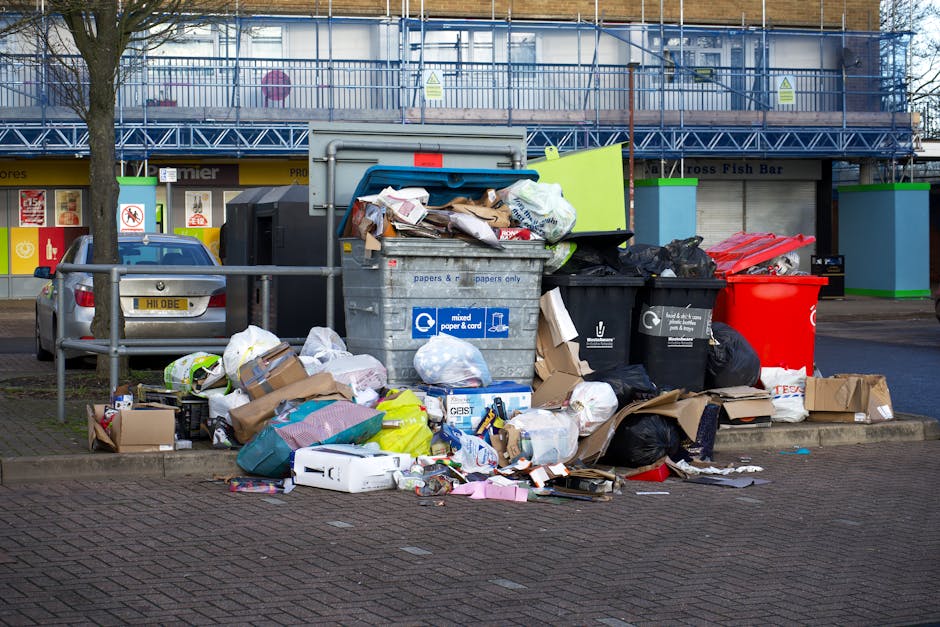
Fox Lane sits in a very lived-in part of Acton. That means a mix of family homes, flats, rental properties, and busy households where storage is never quite enough. The rubbish removal need here is rarely dramatic; it is usually practical. A tenant move-out leaves assorted items behind. A landlord wants the property ready for viewings. A homeowner has just tackled a long-overdue declutter. A tradesperson has finished a kitchen refit and now there are bags of plasterboard, timber offcuts, packaging, and old fittings to deal with.
The main reason this matters is simple: unmanaged waste gets in the way. It takes up useful space, can create safety hazards, and makes a property feel smaller, dirtier, and harder to use. In some cases, it can also become a nuisance for neighbours, especially where communal access, front gardens, narrow stairwells, or parking restrictions complicate things. Anyone who has tried to move a sofa down a tight stairwell on a weekday evening will know the feeling. Not ideal.
There is also the broader practical side. A proper clearance helps you sort what can be reused, recycled, donated, or disposed of responsibly. That is especially relevant in London, where people are increasingly conscious about waste minimisation and where many households prefer a more orderly, less wasteful approach. If you want to understand how local services often fit into a wider neighbourhood context, the posts on living in Acton and the charm of Acton give a useful sense of the area's pace and character.
Expert summary: the best rubbish removal is not just about taking things away. It is about reducing friction, protecting the property, and leaving the place usable again without a pile of half-finished decisions sitting in the corner.
How South Acton Fox Lane rubbish removal and clearances Works
The process is usually straightforward, but the details matter. Good clearance work tends to follow a simple pattern: identify the waste, assess access, agree what needs removing, and arrange the collection. That sounds basic, but it is where problems are usually prevented.
1. Initial review
You start by listing what needs to go. That may include general household rubbish, broken appliances, old mattresses, office files, garden waste, garage clutter, or renovation debris. The clearer you are at this stage, the more accurate the advice is likely to be later on.
2. Access check
Fox Lane and nearby streets can involve narrow entries, shared entrances, basement flats, and awkward parking. Access affects both timing and the physical approach. A clearance team may need to plan for stairs, long carrying distances, or loading near a busy road. This is not glamorous work, but it is the part that makes the job run smoothly.
3. Quotation or estimate
Pricing is usually based on volume, weight, labour time, item type, and access conditions. Some items are heavier or need special handling, which can affect the final figure. If you are comparing options, the page on pricing and quotes is a useful place to understand how enquiries are typically handled.
4. Collection and loading
Once agreed, the team arrives, removes the items, and loads them safely. For bigger jobs, this may happen in stages: bulky items first, loose waste next, then a final sweep for smaller bits and packaging. A tidy finish matters more than people sometimes expect. Dust in the corners, stray screws, and half-open bin bags can undo the good work.
5. Sorting and disposal
Responsible operators usually separate reusable items, recyclable materials, and general waste where practical. It is not always possible to recover everything, of course, but thoughtful sorting reduces unnecessary landfill. If sustainability is important to you, it is worth reading about recycling and sustainability before you book.
Key Benefits and Practical Advantages
People often think the benefit is just "having less clutter." That is true, but a good clearance gives you more than an empty room.
- Faster turnaround: useful when you are preparing for a sale, tenancy change, or refurbishment.
- Less physical strain: no dragging heavy items down stairs or fitting broken furniture into a car that was never designed for it.
- Cleaner presentation: a clear space photographs better and feels more inviting in person.
- Safer access: walkways, hallways, and fire exits are less likely to be blocked.
- More responsible disposal: items can be sorted into the most suitable waste stream.
- Better decision-making: once the clutter is gone, you see the space properly again. Funny how often that changes what you do next.
There is also a psychological angle. A garage that has become a dumping ground or a loft packed with "maybe later" items can quietly drain energy. Clear it, and suddenly the room feels useful again. You might start using that spare room as an office, or finally sort the garden out, or just stop stepping around an old treadmill every time you fetch the Christmas decorations.
For households and landlords in the area, a clearance can also support property presentation. If you are dealing with a move, you may find the local advice in selling homes in Acton and Acton property purchase useful because a clean, uncluttered interior often helps buyers or incoming tenants understand the space more clearly.
Who This Is For and When It Makes Sense
South Acton Fox Lane rubbish removal and clearances is not only for major house moves or renovation projects. In practice, it helps a broad mix of people.
- Homeowners doing a declutter, renovation, or pre-sale tidy-up.
- Tenants needing to clear out before handing back keys.
- Landlords and letting agents dealing with abandoned items or post-tenancy waste.
- Tradespeople who need quick removal of construction debris.
- Small businesses clearing offices, storage rooms, or old furniture.
- Families handling garage, loft, or probate clearances.
It makes sense when the job is too much for a normal bin collection, too awkward for a personal vehicle, or simply too time-consuming to manage properly on your own. A few bin bags are one thing. A fridge, three shelves, a broken bed base, and assorted boxes of mixed rubbish? Different story.
Sometimes the need is obvious. Other times it builds quietly. You keep moving items from one room to another until the spare room becomes the room of doomed storage. That is usually the moment people realise they need a proper clearance.
Step-by-Step Guidance
If you want the process to go smoothly, a little preparation makes a big difference. Here is a practical sequence that works well for most local clearances.
- Separate the obvious waste from the maybe-keep items. Be honest here. If you have not used it in two years, there is a decent chance you do not need it.
- Identify bulky or awkward items. Note mattresses, wardrobes, white goods, garden waste, and builder's debris separately.
- Check access and parking. Think about stairs, gates, communal areas, permits, and how close a vehicle can reasonably get.
- Take a few photos. Useful for getting a clearer estimate and avoiding surprises later.
- Ask what happens to recyclable items. That is a sensible question, not a fussy one.
- Confirm the time window. Clearances often go smoother when the route, lift access, and arrival time are known in advance.
- Prepare the space. Move personal valuables, clear the path, and label anything not to be taken.
- Do a final walkthrough. A minute at the end can save a lot of regret. We have all missed one strange item that somehow ends up hidden behind a radiator.
For some jobs, it helps to think in zones. Kitchen first, then hallway, then bedrooms, then loft or garage. This keeps the process calm instead of chaotic. And calm is underrated.
Expert Tips for Better Results
Small decisions can make the difference between a tidy job and a frustrating one. These are the things that matter most in day-to-day clearance work.
- Be precise about mixed waste. Don't just say "a bit of everything." Say what the everything actually is.
- Keep reusable items separate. Chairs, tables, and cupboards in decent condition should not be mixed in with general rubbish if they can be avoided.
- Group similar materials together. Wood, metal, garden cuttings, and household waste are easier to assess that way.
- Watch out for hidden heavy items. Old books, damp carpet, broken tiles, and full filing cabinets can be far heavier than they look.
- Plan around neighbours. In shared blocks, a polite heads-up avoids unnecessary tension. It is a small thing, but it helps.
- Choose the right service type. A full house clearance is not the same as a quick rubbish collection. Matching the job to the service usually saves hassle.
If you are unsure what category your waste falls into, it is better to ask early than to assume later. That is especially true for mixed loads after building work or a move-out. The more honest the description, the smoother the job. Simple, really.
Common Mistakes to Avoid
Most clearance problems are preventable. The mistakes tend to be familiar, too.
- Underestimating volume: a corner that looks small can hide a surprisingly large amount of waste.
- Forgetting access issues: long carries, stairs, and parking limits all affect how the job runs.
- Leaving sorting until the day: it slows everything down and can lead to unnecessary disposal of items that could be reused.
- Assuming all waste is the same: builder's waste, white goods, furniture, and garden waste often need different handling.
- Not checking safety basics: sharp edges, broken glass, loose screws, and unstable stacks can create avoidable risks.
- Choosing on price alone: the cheapest option is not always the best fit, especially if service quality or compliance is weak.
One particularly common slip is the "we only need one van" assumption. Sometimes true, sometimes wildly optimistic. If you have ever tried to flatten a wardrobe and discovered it was built like a Victorian bunker, you will know exactly what I mean.
Tools, Resources and Recommendations
You do not need a huge toolkit to prepare for a clearance, but a few basics help.
- Heavy-duty bin bags for loose household rubbish.
- Gloves for sorting sharp or dirty items.
- Marker labels or tape to mark items being kept.
- A torch for lofts, garages, and darker corners.
- Measuring tape if you are checking bulky furniture through doorways.
- Protective footwear if you are moving around cluttered areas.
For service planning, the most helpful website pages are usually the ones that explain scope and expectations clearly. In this context, the services overview page is useful for understanding the broader range of clearance options, while insurance and safety can help reassure you that the practical side has been thought through. If you are simply trying to compare approaches, skip hire can be worth comparing against a man-and-van style collection, especially for ongoing or staged work.
And if your waste is more specialised, the related service pages for garden waste removal, garage clearance, loft clearance, and office clearance can help you match the right job to the right type of waste.
Law, Compliance, Standards, or Best Practice
Waste removal in the UK is not just a matter of hauling things away. There are practical compliance expectations around duty of care, safe handling, and responsible disposal. You do not need to become a waste law specialist to book a clearance, but you should expect the service to treat waste properly and avoid dubious shortcuts.
In plain English, that means the operator should know where the waste is going, handle items safely, and avoid dumping or careless disposal. If a service cannot explain how it manages different waste types, that is a small red flag. Not always a disaster, but worth noticing.
Best practice also includes:
- sorting waste sensibly where possible
- protecting building fabric, floors, and shared areas
- lifting safely and avoiding damage to walls or doors
- being clear about restricted items and special handling needs
- communicating arrival times and access needs properly
For your own peace of mind, it helps to read the site's terms and conditions and privacy policy before making an enquiry. That is just good housekeeping, really. The paperwork side may not be exciting, but it tells you how the process is supposed to work.
Options, Methods, or Comparison Table
Different rubbish removal methods suit different jobs. Here is a simple comparison to help you decide what fits best.
| Option | Best for | Strengths | Trade-offs |
|---|---|---|---|
| Man-and-van rubbish clearance | Mixed household waste, bulky items, quick clear-outs | Flexible, fast, suited to awkward access | May be less economical for very large volumes |
| Skip hire | Longer DIY projects, builders waste, repeated loading | Good for ongoing work, useful on-site storage | Requires space and may be awkward for narrow streets or permits |
| Full house clearance | End-of-tenancy, probate, major declutter, whole-property clear-outs | Comprehensive and time-saving | May be more than you need for small jobs |
| Specialist item disposal | Mattresses, furniture, garden waste, office items | Tailored handling, easier sorting | Not suitable if the job involves many mixed waste types |
If your job is a small pile of mixed waste in a flat near Fox Lane, a flexible clearance is often easier than arranging a skip. If you are stripping out a kitchen or replacing flooring, a builders waste approach may make more sense. Different problems, different tools.
Case Study or Real-World Example
Imagine a typical South Acton flat after a tenant move-out. The property is not trashed, but it is left with a tired sofa, an old TV unit, several bin bags of mixed bits and pieces, a broken chair, and a few items in the hallway that were "meant to be collected later." It is 8:30 on a damp weekday morning, there is a bit of condensation on the windows, and the landlord wants the place ready for a cleaner by the next day.
The sensible approach is not to start shifting items randomly. First, the useful things are separated from waste. Then the access route is checked. The items are grouped by size and type. The clearance is booked, and the team removes the bulky furniture first so the room opens up quickly. After that, the smaller waste goes. Finally, the property gets a walkthrough to make sure nothing left behind will slow the cleaning or inspection.
That sort of job might sound ordinary, and that is exactly the point. Most clearances are not dramatic. They are practical, slightly messy, and much easier when handled properly. The property ends up ready for the next stage without anyone spending their weekend wrestling a sofa through a stairwell. Honestly, that alone is worth something.
Practical Checklist
Use this checklist before your clearance day.
- Identify all items to be removed
- Separate keep, donate, recycle, and dispose piles
- Measure large furniture or appliances if access is tight
- Check stairs, lifts, gates, and parking access
- Take photos of the waste load
- Set aside valuables and important documents
- Label anything that must stay
- Confirm the job type: rubbish, house, garage, loft, garden, or office
- Ask about handling for heavy or awkward items
- Review pricing, safety, and service terms
- Clear pathways where possible
- Do a final room-by-room sweep after removal
Useful reminder: the cleaner the preparation, the faster the clearance usually goes. Not always, but often enough.
Conclusion
South Acton Fox Lane rubbish removal and clearances is really about making life easier in a busy, practical part of London. Whether you are clearing a home, tidying a rental, stripping out a garage, or getting rid of building debris, the right approach saves time, reduces stress, and leaves the space ready for whatever comes next.
The best results usually come from a simple combination: honest item listing, sensible access planning, responsible disposal, and a service that understands the realities of local properties. If you do that, the whole process becomes far less of a headache. And once the space is clear, you notice it straight away. The room breathes again.
If you are comparing options or planning a clearance in the South Acton Fox Lane area, take a moment to look at the service detail, safety information, and pricing guidance before you decide. It tends to make the whole experience smoother, and smoother is good. Very good, actually.
Get a free quote today and see how much you can save.



 Tipper Van - Rubbish Removal and Waste Collection Prices in Acton, W3
 Luton Van -